

Building or renovating a property rarely goes exactly according to the original plan. While careful planning can reduce unexpected issues, changes can still occur during construction.
These changes are commonly known as building variations.
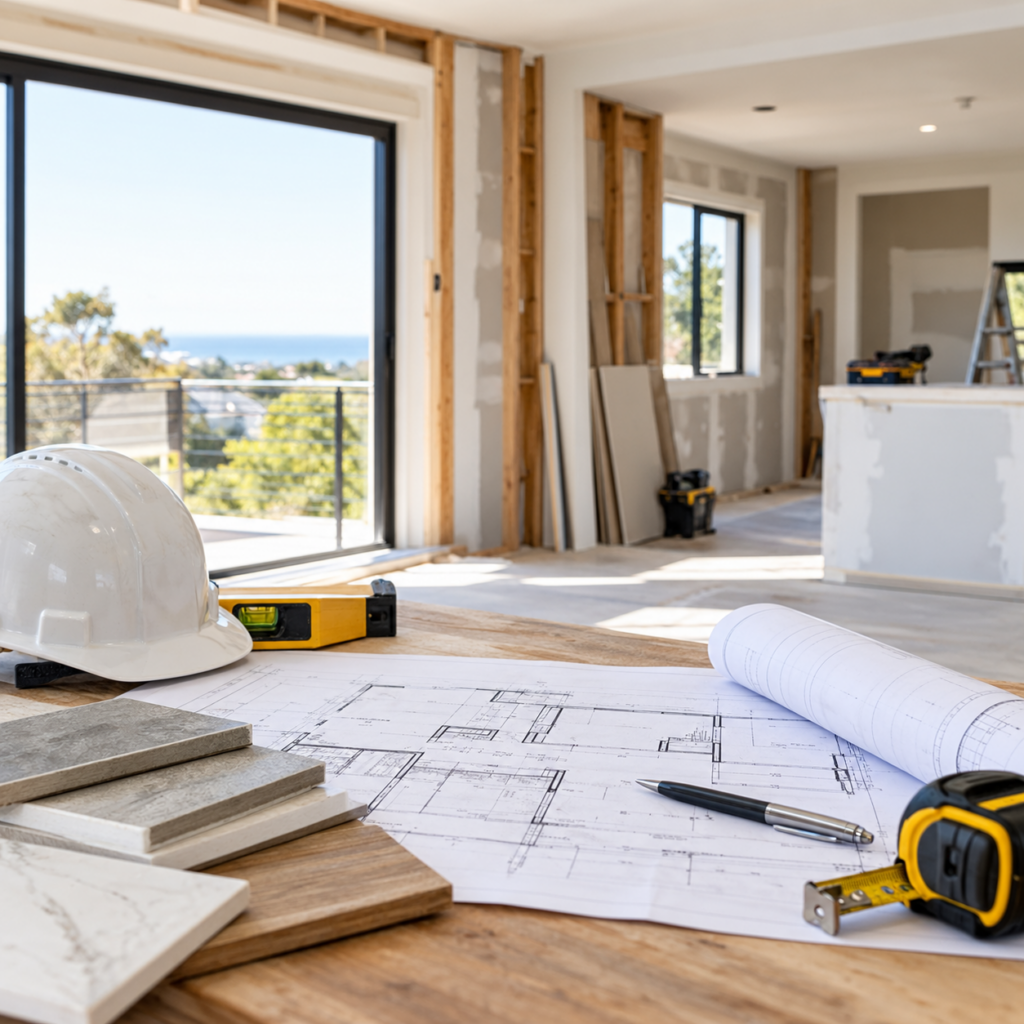
A variation can involve adding new work, removing part of the original scope, changing materials or finishes, modifying a design, or responding to an unforeseen site condition. Because these changes can affect both the project cost and construction timeline, understanding how variations work is important for homeowners and businesses planning a building project in Sydney.
At TSC Build Construction and Renovations, we understand that effective construction project management in Sydney involves more than coordinating trades and materials. It also means managing changes carefully, communicating their impact clearly and keeping the project aligned with the agreed scope.
What Is a Building Variation?
A building variation is a change to work, materials, plans or specifications that were originally agreed as part of a building contract.
For example, a homeowner may decide to upgrade kitchen cabinetry after construction has started. Alternatively, a builder may discover an unexpected condition behind an existing wall during a renovation.
Variations can therefore be initiated by the client, required because of site conditions, or become necessary because of changes requested by an authority or other circumstances.
For residential building work in NSW, the NSW Government states that variations generally need to be documented in writing, attached to the contract and signed by both parties. The documentation should also explain the cost implications and any effect on the project timeframe.
This is why variations should be treated as an organised part of the construction process rather than an informal change made during the build.
Why Do Building Variations Happen?
There are several reasons a variation may be required during construction.
1. The Client Changes Their Mind
One of the most common reasons is a change requested by the homeowner or business owner.
For example, you may decide to:
- Upgrade flooring
- Change bathroom fixtures
- Add additional lighting
- Modify cabinetry
- Change internal doors
- Add storage
- Alter a room layout
- Upgrade building materials
- Add landscaping or external works
These decisions may seem relatively small individually. However, each change can involve additional materials, labour, design work or coordination.
2. Unforeseen Site Conditions
Renovation projects can uncover conditions that were not visible during the initial planning stage.
For example, once walls or flooring are removed, the construction team may discover:
- Deteriorated materials
- Unexpected structural issues
- Outdated plumbing
- Electrical problems
- Water damage
- Drainage issues
- Difficult site conditions
When this happens, additional work may be required before the planned construction can continue.
This is one reason renovation projects can be more complex than new builds. Existing structures can contain conditions that cannot always be identified before demolition begins.
If you are planning a renovation, our Residential Renovations Sydney service provides more information about how TSC Build approaches residential construction and renovation projects.
3. Design Changes
Design decisions can also change during construction.
A client may see a partially completed space and decide that a different layout, finish or feature would work better.
For example, a kitchen renovation may originally include a standard benchtop, but the homeowner may later choose a premium stone finish.
Similarly, a commercial client may decide to modify an office layout after seeing how the space is developing.
Design changes are possible, but they need to be assessed carefully because they can affect other parts of the project.
4. Council or Authority Requirements
Sometimes changes are required because of an authority, approval condition or other regulatory requirement.
The NSW Government notes that variations may be required because of council requirements or unforeseen circumstances.
Where a change is necessary for compliance, it is important that the required work is properly documented and incorporated into the project records.
How Do Variations Affect the Cost of a Building Project?
One of the most important things to understand about variations is that they can change the original contract price.
An additional item may increase the cost, while removing work from the original scope may reduce it.
For example:
Original scope:
Standard bathroom fittings included in the contract.
Client variation:
Upgrade to premium fittings and additional custom joinery.
Potential impact:
Additional materials, labour and installation costs.
The final cost will depend on the actual work involved, materials selected and other project requirements.
NSW Government guidance states that variation documentation should explain the cost implications and impact on the overall contract price. It also recommends that the calculation of the price change be shown rather than simply providing a single unexplained dollar amount.
For homeowners, this makes it easier to understand exactly what has changed before approving additional work.
Can Variations Affect the Construction Timeline?
Yes. A variation can affect more than the budget.
Changing the scope of work may also require additional time.
For example, adding a new bathroom feature could require:
- Additional plumbing
- Electrical work
- Waterproofing
- Tiling
- Additional materials
- Extra trade coordination
If these activities were not included in the original construction schedule, the project may need additional time.
The same applies to material changes. If a selected product has a longer lead time, the delivery schedule may affect when the relevant construction stage can be completed.
Therefore, every significant variation should be considered from both a cost and timeframe perspective.
What Should Be Included in a Variation?
Why Written Variations Matter
A properly documented variation should clearly explain what is changing.
Depending on the project, this may include:
- Description of the proposed change
- Additional or omitted work
- Materials required
- Labour requirements
- Additional cost or credit
- GST where applicable
- Estimated impact on the construction timeframe
- Updated plans or specifications where required
- Approval from the relevant parties
For NSW residential building contracts, the NSW Government recommends that the builder provide a written description of the variation, relevant plans or specifications, the additional cost and any additional time required before the variation work begins.
The parties should then sign the written variation before proceeding, subject to the limited circumstances recognised under NSW building rules.
For more detailed information, homeowners can review the NSW Government guidance on residential building contracts.
Verbal agreements can easily lead to misunderstandings.
A homeowner may remember agreeing to one finish, while the builder understands something different. Likewise, a discussion about an additional item may not clearly establish whether the cost or timeframe has changed.
Written variations create a record of the decision.
They can help clarify:
- What was requested
- What was approved
- What the change costs
- Whether the schedule changes
- What materials or specifications apply
- Who approved the change
For this reason, documentation is an important part of effective construction project management.
The NSW Government specifically states that residential contract variations must generally be in writing and signed by both parties.
How Project Management Helps Control Variations
Variations are easier to manage when there is a structured project management process.
A construction project manager can help coordinate the change across the different people involved in the project.
For example, a variation may require communication between:
- The homeowner
- Builder
- Architect
- Engineer
- Site supervisor
- Electrician
- Plumber
- Carpenter
- Supplier
- Certifier
Without proper coordination, one change can create problems elsewhere in the project.
At TSC Build, Construction Project Management Sydney focuses on coordinating project planning, trades, budgets, schedules, communication and construction activities.
This becomes particularly important when a variation affects several stages of work.
Variations During Home Renovations
Variations are particularly common considerations during renovation projects because existing properties can contain unknown conditions.
For example, a homeowner may begin a bathroom renovation expecting to replace fixtures and finishes. During demolition, the team may discover damaged materials or outdated services that require additional work.
Similarly, a kitchen renovation may reveal plumbing, electrical or structural requirements that were not obvious before the existing cabinetry was removed.
This does not mean every renovation will experience major variations. Instead, it highlights the importance of having a clear scope, realistic budget and structured process before construction begins.
For homeowners considering a major renovation, our guide on How to Plan a Home Renovation in Sydney explains why early planning and understanding the existing property are important.
Variations in Commercial Construction
Commercial projects can also involve variations.
However, the consequences can sometimes extend beyond construction costs.
A change to a commercial fit-out may affect:
- Business operations
- Site access
- Staff
- Customers
- Material deliveries
- Construction sequencing
- Opening dates
- Other contractors
For example, changing an office layout may require electrical, data, partitioning, flooring and lighting changes.
Because several trades can be affected by one decision, commercial variations need to be coordinated carefully.
TSC Build provides Commercial Building Sydney services covering office renovations, retail fit-outs, hospitality spaces, warehouses and other commercial construction projects.
How Homeowners Can Reduce Unnecessary Variations
Not every variation can be avoided. However, good preparation can reduce unnecessary changes.
Establish a Detailed Scope
Before construction begins, make sure the scope clearly identifies the work, materials and finishes included in the project.
Finalise Selections Early
Where possible, choose important materials, fixtures, finishes and appliances before construction begins.
Late selections can create delays or additional costs.
Understand What Is Included
Do not assume that every item you see in a design or discussion is automatically included in the contract.
Ask your builder to clarify inclusions and exclusions before signing.
Allow a Contingency
Renovations can reveal unexpected conditions. Having an appropriate financial buffer can make unforeseen work easier to manage.
Ask How Variations Are Managed
Before construction starts, ask:
- How are variations documented?
- Who approves changes?
- How are additional costs calculated?
- How are time impacts communicated?
- When will variation work begin?
- How will approved changes be recorded?
Having clear answers before construction begins can make the process much easier.
Variation vs Defective or Incomplete Work
It is also important to understand that not every additional piece of work is automatically a variation.
If work needs to be corrected because it was not completed properly or because the builder is responsible for the issue, that may be different from a client-requested variation.
The NSW Government states that where a variation is required because of the builder’s or tradesperson’s fault, the homeowner does not have to pay for extra work required to rectify the problem.
If you are unsure whether a proposed change is a variation or rectification work, review the contract and seek appropriate professional advice.
A Clear Variation Process Creates Better Project Communication
Building variations do not necessarily mean a project is going wrong.
Construction projects can change for many legitimate reasons. The important consideration is how those changes are identified, communicated, documented and approved.
A structured variation process gives everyone a clearer understanding of what is changing and why.
It can also help protect the project’s budget and schedule by ensuring that changes are considered before additional work begins.
At TSC Build Construction and Renovations, project management forms an important part of delivering organised residential and commercial construction projects across Sydney. Our approach focuses on communication, coordination, budgeting and structured project delivery.
You can also explore our construction project management insights for additional guidance on planning and managing building projects.
Frequently Asked Questions About Building Variations
What is a variation in a building project?
A building variation is a change to the work, materials, plans or specifications originally agreed under a building contract. It may involve additional work, omitted work or changes to the original scope.
Can a building variation increase the project cost?
Yes. Additional work or upgraded materials can increase the contract price. However, the cost impact should be clearly documented and agreed according to the applicable contract and NSW requirements.
Can a variation delay a building project?
Yes. A variation may require additional labour, materials, approvals or construction activities. These changes can affect the project schedule.
Should building variations be in writing?
For residential building work in NSW, variations generally need to be documented in writing and signed by the relevant parties.
Can a builder make a variation without approval?
The requirements depend on the circumstances and contract. For most residential variations, written agreement is required before the variation work begins. There are limited exceptions where urgent work is necessary to prevent a health, safety or property-damage risk.
How can project management help with variations?
Project management helps coordinate changes across budgets, schedules, trades, suppliers and documentation. This can make it easier to understand the impact of a variation before work proceeds.
Final Thoughts
Understanding building variations is an important part of planning a construction or renovation project in Sydney.
Changes can happen for many reasons. You may want to upgrade a finish, modify the design or add new work. Alternatively, unexpected site conditions or regulatory requirements may require changes to the original scope.
The key is to manage these changes through a clear and documented process.
By understanding what constitutes a variation, asking about its cost and timeframe, and ensuring changes are properly documented, homeowners and businesses can maintain better visibility throughout construction.
At TSC Build Construction and Renovations, we combine construction expertise with structured project management to help clients navigate residential renovations and commercial building projects across Sydney.
Planning a building or renovation project? Contact TSC Build Construction and Renovations to discuss your project, scope and construction requirements.